Valencian liqueurs are much more than alcoholic beverages; they are the result of centuries of wisdom, artisanal techniques and a deep relationship with the products of the land. From aniseed liqueurs with a strong character to sweet herb and fruit liqueurs, these drinks have accompanied celebrations, family meals and moments of conviviality, becoming a symbol of Valencian identity. In this article, we will explore the most emblematic liqueurs of the region, their history, their elaboration methods and their place in contemporary culture.
The Valencian liquor tradition
The production of liqueurs in the Valencian Community has deep roots dating back to medieval times. Monks and alchemists, with their knowledge of distillation and the properties of plants, were the first to experiment with spirits, many of which were used for medicinal purposes. Over time, these recipes passed into the hands of local families and distilleries, who perfected the techniques and adapted the liqueurs to the Valencian palate. Today, Valencian liqueurs are renowned for their quality, craftsmanship and diversity, ranging from sweet drinks to high-proof spirits.
The Valencian Community, with its Mediterranean climate and its agricultural richness, offers an exceptional raw material for the production of liqueurs. Aromatic herbs from the Sierra de Mariola, oranges from its orchards, tiger nuts from l’Horta Nord and grapes from its vineyards are just some of the ingredients that give life to these unique drinks. In addition, the influence of Arab, Christian and Jewish traditions has left an indelible mark on the way these liqueurs are made and consumed.
The most emblematic liqueurs
1. Mistela: The sweet taste of grapes
Mistela is undoubtedly one of the most beloved liqueurs of the Valencian Community. Made from grape must, generally of the Moscatel variety, to which alcohol is added to stop fermentation, mistela preserves the natural sweetness of the fruit. This liqueur, which can be white or red, has an alcohol content of between 15 and 20 degrees and is characterized by its smooth, sweet flavor, ideal to accompany desserts or as an aperitif.
Mistela is especially popular in towns such as Turís, Xaló, Dénia, Cheste and Casinos, where some of the most appreciated varieties are produced. It is served chilled, often in small glasses, and is a traditional accompaniment to sweets such as sweet potato pastissets or sugared almonds. Its versatility also makes it perfect for cocktails, such as the famous “Barrejat”, a mixture of mistela and cazalla which, although less common today, is still a classic in some rural areas.
2. Cazalla (Cassalla): The Spirit of Aniseed
Cazalla, or cassalla in Valencian, is an aniseed-flavored liqueur with a high alcohol content (between 40 and 55 degrees) that has become a symbol of Valencian celebrations, from the Fallas to the Moors and Christians festivities. Although its name comes from Cazalla de la Sierra, in Seville, where it was first produced, the Valencian Community has adopted this liqueur as its own, especially in towns such as Aielo de Malferit, where one of the most renowned cazallas in Spain is made.
The process of making cazalla involves the distillation of green or star anise, combined with water and sugar, and a resting period of at least ten days. Its intense flavor and refreshing character make it an ideal drink to take before a meal, as it is said to whet the appetite and aid digestion. Traditionally, it is served very cold, sometimes straight from the freezer, and can be mixed with water (in the proportion known as “Paloma”) or with a touch of lemon to create the “Canario”, a lighter and more citric variant.




3. Café Licor: Alcoy and Cocentaina
Originally from the regions of l’Hoya de Alcoy and Cocentaina, coffee liqueur is an emblematic drink that combines the intense aroma of coffee with an alcohol content of between 15 and 20 degrees. Its history dates back to the 19th century, when textile workers in Alcoy used to add brandy to their coffee to combat fatigue during long working days. Over time, this practice gave rise to a refined recipe that today we know as Aperitivo Café de Alcoy.
The liqueur coffee is incredibly versatile and is used in a wide variety of Valencian cocktails, such as the “Mentireta” (liqueur coffee with lemon slush), the “Plis Play” or “Burret” (liqueur coffee with cola), and the “Negreta” (liqueur coffee with beer). These mixtures, many of them born in the picaresque of the Franco era to camouflage the consumption of alcohol, are a testimony of Valencian creativity in mixology.
4. Herbero: The elixir of the sierra de mariola
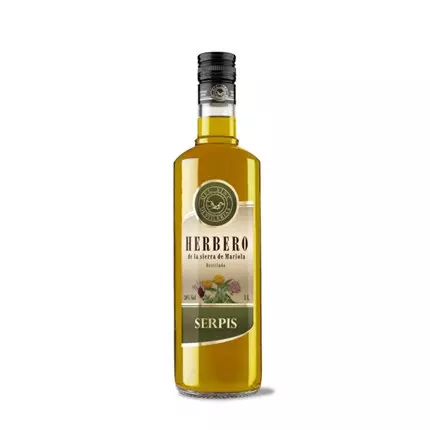
Herbero is a typical herbal liqueur from the province of Alicante, especially from the Sierra de Mariola. Made by distilling or macerating aromatic herbs such as sage, chamomile, pennyroyal, lemon verbena, thyme and lavender, among others, herbero has a graduation that varies between 22 and 40 degrees. Its flavor, which combines sweet and dry notes, reflects the diversity of the plants used, and its color can range from transparent to reddish or green tones.
Herbero is a drink deeply linked to the landscape and tradition of Alicante. Each distillery has its own recipe, which makes each bottle unique. It is consumed as a digestive after meals or at social gatherings, and its popularity has grown thanks to its artisanal character and its connection with nature.
5. Cantueso: The liquor from Alicante
Cantueso, made from the Thymus moroderi plant (known as “thyme from Alicante”), is another iconic liqueur from Alicante, particularly from Elche and Monóvar. This sweet liqueur, with an alcohol content of between 25 and 35 degrees, is obtained by distilling the flower and stalk of the plant, combined with neutral alcohol and sugar. Its herbaceous and sweet flavor, together with its color, which varies from transparent to amber, make it a perfect drink to be drunk on its own or as an ingredient in cocktails.
Cantueso has a history dating back to the 19th century, when it was consumed as an infusion before being transformed into liquor. Today, it is protected by the Alicante Spirits Denomination of Origin, along with herbero, liqueur coffee and pigeon anise.
6. Biri Biri: The citrus touch
Biri Biri is a typical orange liqueur from Alcoy, made with concentrated juice of Valencian oranges. With a graduation of approximately 22 degrees, this liqueur combines the sweetness of citrus fruits with a fresh and vibrant touch, which makes it ideal to drink on its own or in cocktails. Its Mediterranean character makes it a perfect summer drink, served on the rocks or in refreshing cocktails.
7. Valencia Water and Tarongina
One cannot talk about Valencian liqueurs without mentioning Agua de Valencia, an iconic cocktail that, although technically not a bottled liqueur, is part of the region’s gastronomic heritage. Created in 1959 by Constante Gil at Café Madrid in Valencia, this cocktail combines freshly squeezed orange juice, cava, gin and vodka, with a touch of sugar to balance the flavors. The drink, golden in color and refreshing in taste, is a symbol of Valencian nights, especially during festivals and celebrations such as the Fallas or the Alicante Bonfires. It is served very cold in jugs or large glasses, often shared among friends, which reinforces its festive and convivial character.
On the other hand, the Tarongina is a more modern variant that pays tribute to the citric tradition of the Valencian Community. This liqueur, also known as mandarin liqueur, is made from the maceration or distillation of Valencian mandarins, locally known as “taronjas”. With an alcohol content of around 20-25 degrees, Tarongina stands out for its sweet and fresh flavor, with an intense aroma that evokes citrus orchards in spring. It is a versatile drink that can be enjoyed on its own, with ice, or as an ingredient in cocktails, especially in combinations with tonic or cava. Tarongina has gained popularity in recent years, becoming a modern option that connects liquor tradition with contemporary tastes.
Both Agua de Valencia and Tarongina are examples of how the Valencian Community has been able to take advantage of its citrus wealth to create drinks that are not only delicious, but also deeply rooted in its cultural identity.
The culture of Valencian Liqueur
Valencian liqueurs are not only beverages, but also a vehicle for social and cultural connection. In popular festivities, such as the Fallas, the Bonfires of Alicante or traditional lunches (“esmorzarets”), these drinks are present, accompanying laughter, conversations and moments of celebration. Cazalla, for example, is inseparable from popular phrases such as “Una cassalleta i mo n’anem” (a cazalla and we don’t leave), which reflects the festive and carefree spirit of the Valencians.
In addition, Valencian liqueurs have found a place in modern gastronomy. Chefs and mixologists have begun to incorporate them in recipes and cocktails, from desserts infused with mistela to creative combinations with liqueur or herbal coffee. This reinvention demonstrates the versatility of these drinks and their ability to adapt to contemporary tastes without losing their traditional essence.
In recent years, Valencian distilleries have opted for innovation, creating new liqueurs such as horchata cream or violet liqueur, while maintaining the artisanal quality that characterizes them. Specialized stores and online platforms, such as Degrados or Sabors de València, have facilitated access to these drinks, bringing the Valencian flavor to consumers around the world. In addition, events such as the Muestra de Vinos, Cavas y Licores de la Comunidad Valenciana have contributed to give visibility to these products, highlighting their quality and cultural roots.
However, Valencian spirits also face challenges, such as competition with international brands and the need to reach new generations. The key to their future lies in balancing tradition with innovation, promoting their artisanal value and their connection with the Valencian identity.
Online Liquor Store
Valencian liqueurs are a reflection of the cultural and natural richness of the Valencian Community. From the sweet mistela to the intense cazalla, each liqueur tells a story of tradition, creativity and love for the land. Whether at a family meal, a popular party or a modern cocktail, these drinks remain a symbol of conviviality and joy. To discover Valencian liqueurs is to enter the soul of a region that celebrates life with every sip.
Visit now our online liquor store and find these and more liquors.