These two drinks, deeply rooted in history and tradition, evoke images of bohemians in Parisian cafés and rustic taverns in rural Spain. Absinthe, known as the “Green Fairy,” and cazalla, the aniseed-flavored liqueur that has been the faithful companion of generations, share a unique place in drinking culture. In this article, we’ll explore their history, their unexpected relationship and their legacy, weaving a tale that connects past and present with a touch of creativity. If you’re looking to learn more about absinthe and cazalla, their origins, myths and cultural influence, this is the place for you.
What is Absinthe? The Mysticism of the Green Fairy
Absinthe is much more than a liqueur; it is a liquid legend. Originating in Switzerland at the end of the 18th century, this high alcohol content drink (between 45% and 75%) owes its fame to its characteristic green color and the presence of wormwood(Artemisia absinthium), an herb that gives it its bitter taste and mythical reputation. During the 19th century, absinthe became the muse of artists and writers such as Van Gogh, Toulouse-Lautrec and Baudelaire, who associated it with creativity and inspiration.
The Absinthe Ritual
Drinking absinthe is an art in itself. Traditionally, it is served diluted with ice water, slowly poured over a sugar cube placed in a perforated spoon. This process, known as louche, transforms the drink into an opalescent liquid that seems to come to life. This ritual not only enhances the flavors, but also adds a touch of theatricality that has fascinated generations.
Myths and prohibitions
Absinthe was banned in several countries in the early 20th century due to its alleged ability to induce hallucinations, attributed to the compound thujone present in absinthe. However, modern studies have disproved these effects, and absinthe has re-emerged in the 21st century as a cult drink. Today, artisanal absinthe is a symbol of sophistication and rebellion.
Related keywords: absinthe, green fairy, absinthe, handmade liqueur , absinthe ritual.
What is Cazalla? The spirit of Spanish tradition
At the other end of the spectrum, cazalla represents the essence of the everyday and popular in Spain. This aniseed-flavored liqueur, with an alcohol content usually around 40%-50%, has its roots in the 16th century, when anise began to be distilled in the Iberian Peninsula. Its name comes from the town of Cazalla de la Sierra, in Seville, a place that became synonymous with this robust and straightforward liqueur.
Unlike absinthe, associated with the bohemian and artistic elite, cazalla is the drink of the people. It is found in taverns, fairs and popular celebrations, served in shots or with coffee. Its intense flavor, with notes of star anise and herbs, is a reflection of the land and tradition. In many Spanish homes, cazalla is more than a drink: it is a symbol of coexistence and roots.
Versatile uses of cazalla
Cazalla is not only drunk on its own; it is also a key ingredient in traditional desserts such as pestiños or rosquillas de anís. Its versatility makes it unique, and its presence in Spanish gastronomy has made it a cultural icon.
Related keywords: cazalla, aniseed liqueur, Spanish tradition, aniseed, Cazalla de la Sierra.
Recommended products
-
Absinthe 65º 100cl
Original price was: 32,00€.30,40€Current price is: 30,40€. IVA Incluido -
Absinthe Classic 55 (100cl)
Original price was: 31,00€.29,45€Current price is: 29,45€. IVA Incluido -
Absinthe Dry 55
Original price was: 19,50€.18,52€Current price is: 18,52€. IVA Incluido -
Anise Kçalla
Original price was: 15,00€.14,25€Current price is: 14,25€. IVA Incluido -
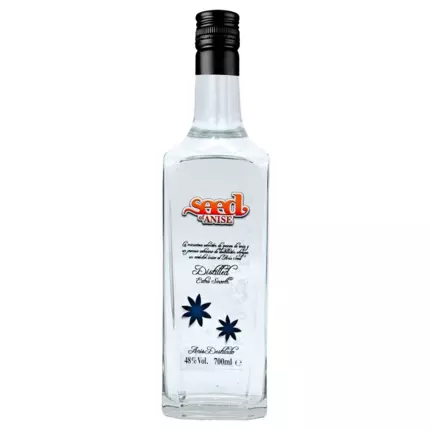
Aniseed Seed 70cl.
Original price was: 15,00€.14,25€Current price is: 14,25€. IVA Incluido -
Cazalla – Dry Aniseed KÇALLA 45% vol 1L
Original price was: 15,21€.14,45€Current price is: 14,45€. IVA Incluido



Absinthe and Cazalla
At first glance, absinthe and cazalla seem to belong to opposite worlds: one is the muse of cursed poets, the other the soul of popular taverns. However, both share a common thread: they are drinks that defy convention and evoke deep emotions. Let’s imagine a fictional encounter between these two drinks, as if they were characters in a novel.
Imagine a timeless tavern, with worn wooden walls and the scent of anise and absinthe wafting through the air. In one corner, Absinthe, in her emerald green dress, whispers stories of Parisian nights and unfinished canvases. At the bar, Cazalla, with her folksy air, serves shots to the patrons while she tells anecdotes of Andalusian fairs. Both look at each other, recognizing in the other a rebellious spirit.
- AbsintheThey say I inspire madness, but I only awaken the imagination”.
- Cazalla: “And I, who am the liquor of the brave, give warmth to the heart on cold nights.”
Both, in their own way, are drinks that have stood the test of time, surviving prohibitions, fashions and cultural changes. Absinthe, with its halo of mystery, and cazalla, with its frankness, are two sides of the same coin: the human desire to celebrate life through the senses.
The cultural connection: Beyond taste
Absinthe and cazalla are not only drinks; they are carriers of stories. Both have witnessed key moments in history:
- Absinthe was the drink of the Belle Époque, a symbol of freedom and creativity in a Europe struggling between tradition and modernity.
- Cazalla, on the other hand, accompanied Spaniards in times of celebration and adversity, from popular festivities to the long nights of the post-war period.
Both drinks have inspired songs, poems and traditions. For example, absinthe appears in the works of symbolist poets, while cazalla is mentioned in popular coplas and zarzuelas. This cultural parallelism invites us to reflect on how spirits transcend their basic function to become emblems of identity.
How to enjoy Absinthe and Cazalla today?
Modern cocktails with Absinthe
Absinthe has found a new home in the modern cocktail bar. Some examples include:
- Sazerac: A New Orleans classic that combines absinthe, rye whiskey and bitters.
- Corpse Reviver No. 2: A refreshing cocktail with gin, orange liqueur and a touch of absinthe.
Cazalla in Gastronomy
Cazalla is still a star ingredient in Spanish pastries. Try adding a few drops to a doughnut dough or a flan for a touch of aniseed. You can also experiment with a cazalla sorbet, ideal for closing a large meal.
SEO tip: If you are looking for recipes with cazalla or cocktails with absinthe, be sure to explore blogs specialized in gastronomy and mixology to discover new ideas.
Online Liquor Store
Absinthe and cazalla are more than drinks; they are storytellers, bridges between eras and cultures.
Absinthe takes us to the bohemian cafés of Paris, while cazalla transports us to the sunny squares of Andalusia. Together, they represent the duality of the human spirit: the search for the sublime and the love of the everyday. The next time you raise a glass of absinthe or a shot of cazalla, toast to their legacy and to the stories yet to be written.
Want to find out more? Visit our online liquor store.